When people go to baseball games, they see players, scoreboards, and many colors. But also, professional baseball mascots make big fun and happy moods. They dance, jump, and wave hands. Many fans like them more than other parts sometimes. Mascots have costumes, colors, and special moves. They bring energy, smiles, and funny moments. This article shows the history, look, role, and importance of mascots.
History and Start of Professional Baseball Mascots
A long time ago, mascots were simple. They wear costumes and walk on the field. People see them and laugh. Later, teams think mascots can do more. They make special characters, small stories, and unique colors.
Mascots start from a small idea to a big part of baseball games. They become symbols of the team and town. People remember the first mascot they see. Some mascots stay many years. They visit schools, hospitals, streets, and parades. Mascots became more than games. They are friends for children and fans.
In the old days, mascots were simple, but now they move, dance, and act funny. The costume has a big head, big hands, and bright colors. Fans see them from far seats. They wave, jump, and do simple tricks. Each mascot has a name, story, and style.
Look and Costume Style
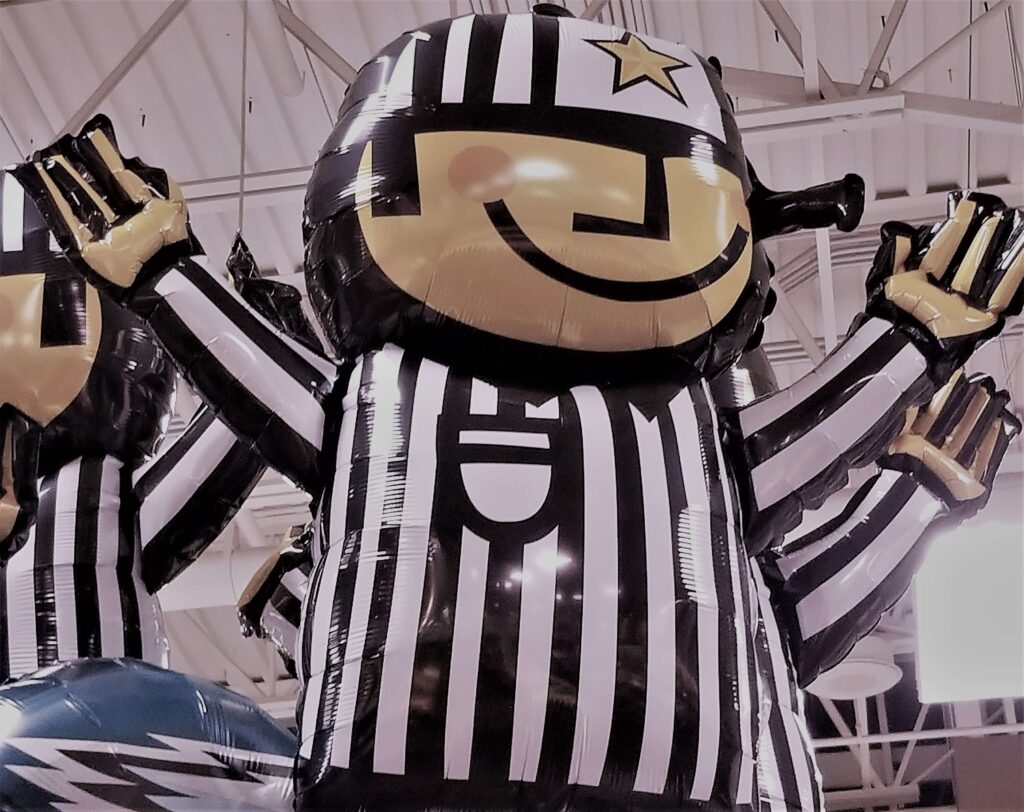
Professional baseball mascots have a funny and bright look. Costume is important. Many have a big head, big eyes, and a big smile. They look happy and friendly. Fans remember color and shape.
There is a main style:
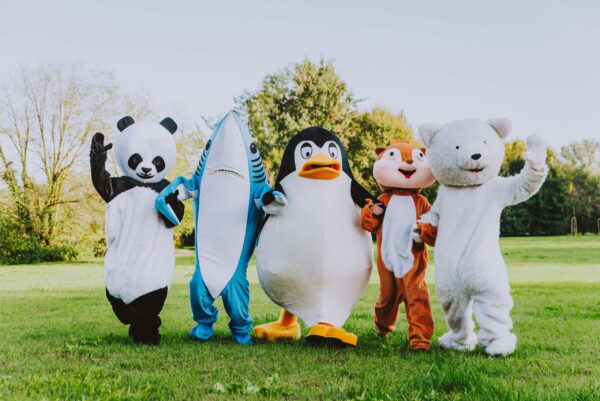
- Animals–cat, dog, bear, bird, or any local animal. They smile, wave, and jump.
- Fantasy – monster, wizard, alien. Make kids laugh and fans smile.
- Funny shapes–big food, big shoes, funny hat, strange body. Make all people laugh.
The costume must move easily. Mascot dance, run, wave, sit, or fall funny. Color must match team color. Some mascots have hats or big gloves. Fans know the mascot and team by their looks.
Role in Game and Fans
Mascots do many things in stadiums. They make smiles for children. They dance, do small acts, wave hands, and run on the field. Fans take pictures, wave back, laugh, and shout. Mascots keep the mood positive all the time.
Mascots also go outside the stadium. Schools, hospitals, street events. Children see the mascot and are thrilled. Fans feel the team cares. Mascots speak without words. Everyone understands. Even if children never watch baseball, they know the mascot is entertaining and friendly.
Mascots help cheer. They lead fans to shout, clap, and wave flags. On holidays, they dress special. Occasionally they ride a small car or jump on the field. Fans love clever tricks. They show kindness, humor, and energy.
How They Perform
Mascots perform in many ways. In the stadium: pre–game dance, mid–game act, small race, funny fall. Outside the stadium: parade, charity, school. They move with big costumes. They are careful not to hit people. Children can touch and hug the mascot.
Mascots also follow the theme. Halloween costume, Christmas hat, birthday sign. But face, body, and color stay the same. Fans like to see the same character. Some mascots dance with music, and some act silently funny. Each performance smiles and makes the day special.
Performers train to move safely. Costume heavy, head big. They jump, run, wave, and sometimes fall. Must be careful. Fans love this. Mascots make stadiums full of fun. Outside the stadium they visit, smile, and wave.
Why Fans Love Mascots
Fans love mascots because they are funny and friendly. Costumes, jumps, and waves make joyful. Children like them most. Adults also laugh. Mascots bring families together. They create memory. Fans remember the mascot more than some gameplay.
Important things:
- The costume must be clear, big, and funny.
- Moves simply, friendly, and smiles always.
The mascot can be in videos, merchandise, pictures, and social media. Fans see the mascot many times. Kids remember the mascot’s name, color, and style. They feel the team is charming, funny, and friendly.
Mascots and Culture
Mascots show fun and team spirit. They make the family feel safe and happy. They show the region’s story, culture, and team pride. Mascots teach a simple lesson: be kind, smile, and enjoy together.
They join charity, school, parade, and special event. They show how sport and community connect. Fans remember small fun moments with the mascot. Costume, jump, wave, hug–all make day good.
Mascots are also symbols. They stand for joy, community, and team spirit. They bring tradition. Fans meet them many times, learn to dance, clap, and wave. Mascots help share fun for everyone.
Through the mascot, baseball is not only a sport; it is a smile, a jump, a laugh, and a happy day. Professional baseball mascots make stadiums alive. Fans feel close, meet friends, watch the team, and enjoy small funny moments. They create memories for a long time, especially for children.